 Request a quote
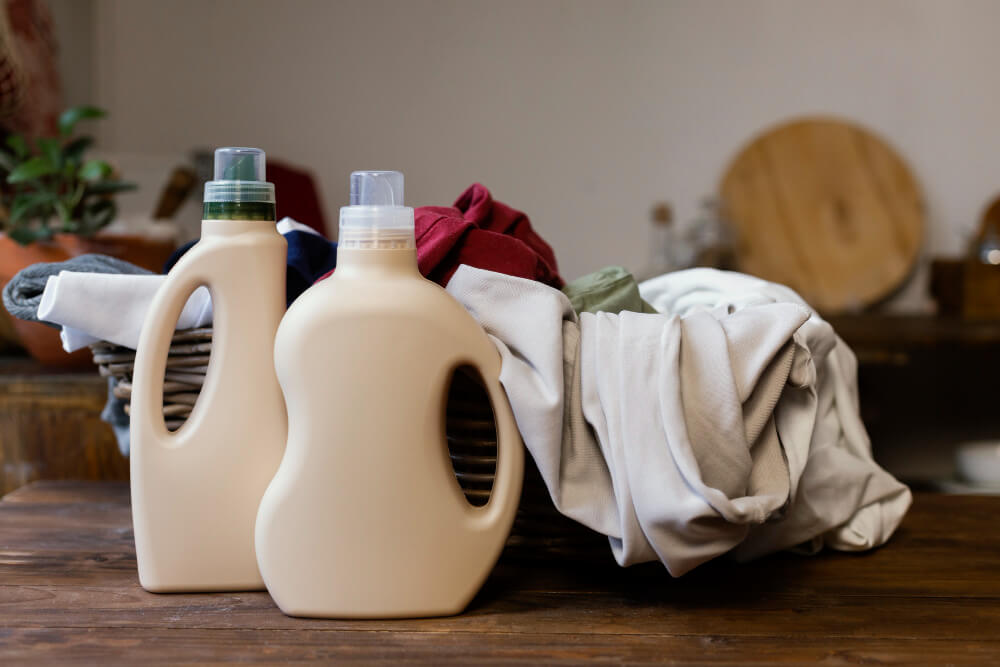
Choosing the right fabric softener is essential for maintaining comfortable, fresh-smelling and soft laundry, especially for people with sensitive skin. Hotels, hospitals, clinics, care homes and households must consider product ingredients, residue and rinsing performance before making a purchase.
Quick Answer: Choose a fabric softener with low or no fragrance, no added dyes and suitable skin-sensitivity testing. Follow the recommended dosage, ensure proper rinsing and select a product compatible with your detergent and washing equipment. These steps help reduce the risk of irritation while keeping fabrics soft and comfortable.Why Fabric Softener Choice Matters
Fabric softener enhances the softness of washed textiles, prevents static, and makes towels, bed linen and clothing more comfortable. Products with a high residue or containing ingredients that are not suitable for the skin can cause itching, redness or irritation, however. This is especially important in commercial spaces. The level of cleanliness and comfort that is expected from the bed linens of those who stay at a hotel is the same as that of any patient at a hospital or a resident in a care home, except that the latter might require special attention in light of their skin sensitivity. For laundries, there is a delicate balance between softness, hygiene and handling and efficiency. Choosing a fabric softener for sensitive skin will make it easy for companies to make informed laundry choices. The right product ought to assist textiles to be comfortable while still permitting them to be washed, rinsed or treated according to the requirements.What Causes Skin Irritation from Fabric Softener?
Several factors may contribute to irritation after washing clothes, towels or bed linen. Identifying these factors helps businesses choose products that suit their users.- Fragrances: Some fragrance ingredients can trigger irritation or allergic contact dermatitis in sensitive individuals.
- Dyes: Added colours are not necessary for softening performance and may be unsuitable for some users.
- Preservatives: Certain preservatives can cause allergic reactions in susceptible individuals.
- Product residue: Excessive softener, insufficient rinsing or unsuitable wash settings can leave residues on textiles.
- Incorrect dilution: Using more product than recommended does not necessarily improve softness and may increase residue.
What to Look for When Buying a Gentle Laundry Softener
The product must be appropriate for the users and the laundry operation. Check the ingredient list and directions for use and product literature before buying. Low-fragrance or fragrance-free formulation: For those who are sensitive to fragrance use fragrance-free fragrances as a good starting point. Do not assume that a low fragrance is hypoallergenic, read the full product information. Dye-free formulation: A product without added dyes may be preferable when reducing unnecessary ingredients is a priority. Skin-sensitivity testing: Seek clinical trials or dermatological testing that have been documented, and have information about what the test is proving. Not all people will tolerate the product when tested. Effective rinsing: Select a softener that is suitable for the washing machine and wash cycle. Please use the suggested programme and dosages to reduce any residues. Suitable concentration and dilution: Commercial laundries might find it economic to use concentrated products, but they will need to be dispensed accurately. Always follow the manufacturer's guidelines. Consider using a hypoallergenic fabric softener for sensitive users, if there is appropriate product information to substantiate the claim. Don't presume products called hypoallergenic are allergen- or irritation-free.- Understanding Fabric Softener Options
| Product consideration | Potential benefit | What to check |
| Fragrance-free | Avoids added fragrance | Ingredient list and formulation |
| Dye-free | Avoids unnecessary added colourants | Product label |
| Dermatologically tested | Provides information about skin-related testing | Testing details and scope |
| Concentrated formula | May reduce packaging and storage requirements | Correct dilution and dispensing |
| Commercial bulk packs | Support high-volume laundry operations | Usage rate, storage and handling |
Correct Dosing and Rinsing to Reduce Residue
Excessive fabric softener residue is a very common problem, and it can be prevented by overdosing. If too much is applied, the textiles may feel coated instead of comfortable. It can also lead to higher product consumption and operating expenses. For consistent results, use the following practices:- Measure the product according to the manufacturer's dosage instructions.
- Use automatic dosing systems where appropriate for commercial laundry equipment.
- Check that the dispenser is clean and functioning correctly.
- Follow the recommended wash and rinse programmes for the textile type.
- Avoid mixing laundry chemicals unless the manufacturer confirms compatibility.
- Review dosing whenever water conditions, load sizes or washing equipment change.
Commercial Applications: Hotels, Clinics and Care Homes
Commercial facilities need laundry products that perform consistently across repeated washing cycles. Hotels and hospitality: Bed sheets, pillowcases and towels should be soft. Selecting the right softener ensures a consistent guest experience, and an effective linen management system. Hospitals and clinics: Bedding, gowns and other fabrics used by patients must be handled properly in the laundry. Facilities should apply their infection-control protocols and textile-processing requirements to the use of softener only when it can be used in conjunction with those requirements. Care homes: Some residents may be sensitive or have sensitive skin. Use fragrance-free or other suitable products and washing and rinsing practices to minimise exposure to potential irritants. Spas and wellness centres: Towels and robes must feel good but not leave behind too much residue of the product. Appropriate dosing also contributes to fabric care with repeated laundering. Uniforms and workplace clothing: The feel of fabric can be enhanced and static reduced if necessary using a suitable softener. Don't use products or processes that may affect the specialist workwear's protective function. A good fabric softener supplier in the UAE will offer you the information regarding the product specifications, instructions on how to use the product, product packaging, how many can you buy in bulk and so on when you order products for these applications.Managing Hard Water in Gulf Countries
The results of laundry performance may vary depending on the water hardness in the UAE, Oman and Qatar, depending on the area and water source. Hard water is contaminated with minerals such as calcium and magnesium, which can interact with the ingredients of the detergent and alter the cleaning process. Detergent & Fabric Softener work differently. Detergent removes soil and oils, and fabric softener helps to make the fabric more pleasant to wear and decrease static. It's important to use the right amount of each product to achieve a balanced result. The commercial laundry should determine local water conditions, check the recommended dosages of the detergents, and consider appropriate water-treatment techniques if required. Do not simply add more softener to the detergent; it is a symptom of detergent performance or of water hardness.Quick Checklist Before Buying
Before selecting a laundry softener, review the following points:- Is the product fragrance-free or low-fragrance if required?
- Does the formulation avoid added dyes where appropriate?
- Are skin-sensitivity or dermatological testing claims documented?
- Are dosing, dilution and rinsing instructions clear?
- Is the product compatible with the detergent and laundry equipment?
- Are the packaging sizes suitable for your daily laundry volume?
- Can the supplier provide technical information and bulk pricing?
- Is the product suitable for the textiles and procedures used at your facility?
Frequently Asked Questions
- What is the best fabric softener for sensitive skin?
- Is hypoallergenic fabric softener completely safe for everyone?
- Can too much fabric softener cause skin irritation?
- Can hospitals and care homes use fabric softener?